Why Backtesting Never Transfers to Live Trading
There is a specific kind of frustration that every serious ICT trader hits eventually. You have spent weeks, maybe months, backtesting your model. The setups look clean. The confluences stack up beautifully. You feel genuinely ready. Then you go live, and the same setups that looked obvious on replay suddenly feel uncertain, uncomfortable, and completely different. You start second-guessing entries you would have taken without hesitation in the sim. You hold trades you should cut. You miss setups because the candle hasn't confirmed yet. And then, almost inevitably, you tell yourself the same thing most ICT traders tell themselves: "I just need to trust my process more."
That diagnosis is wrong. And the reason it keeps getting recycled is because it feels right. It sounds disciplined. But if your ICT trading backtesting process has a structural flaw, no amount of mental resolve will paper over it. What you actually built was fluency in a skill that doesn't exist in live markets.
Key Takeaway: Most ICT traders backtest their way into false confidence because they are training pattern recognition on resolved, zero-spread, zero-pressure data, then applying it in real-time conditions that require a fundamentally different skill: making good decisions before the candle closes, under financial and emotional pressure, with incomplete information.
Myth: Your Backtesting Failure Is a Discipline Problem
Myth: If you just commit harder to your rules in live conditions, the sim-to-live gap will close.
Reality: The gap exists because the skill you practiced in the sim is not the skill live trading demands. Backtesting as most traders practice it is essentially a pattern-matching exercise on completed data. You see a closed candle, you recognize the structure, you log the trade. But in live conditions, that candle is still forming. The FVG might fill or might not. The order block might hold or get swept. The session might develop into a clean trending day or chop into irrelevance. You are making decisions in real time on incomplete information, and nothing about scrolling through resolved historical bars prepared you for that.
What I Actually See: The traders who struggle most with the sim-to-live gap are not the ones who backtested too little. They are the ones who backtested the most, but did it passively. They sat with a chart, clicked forward bar by bar, recognized the setup in hindsight, and logged it as a win. Hundreds of hours of that process did not build decision-making ability. It built a highlight reel of certainty that live markets never actually offer.
I used to fall into this myself. I would run through replay sessions feeling sharp, genuinely confident in my read of the market. Then I would watch a live session unfold in real time and notice how different it felt. Not intellectually different, emotionally different. That lag between stimulus and decision, the one that is completely absent when you are clicking through replay at your own pace, turns out to be where most trades are lost.
The Specific Habits That Widen the Gap
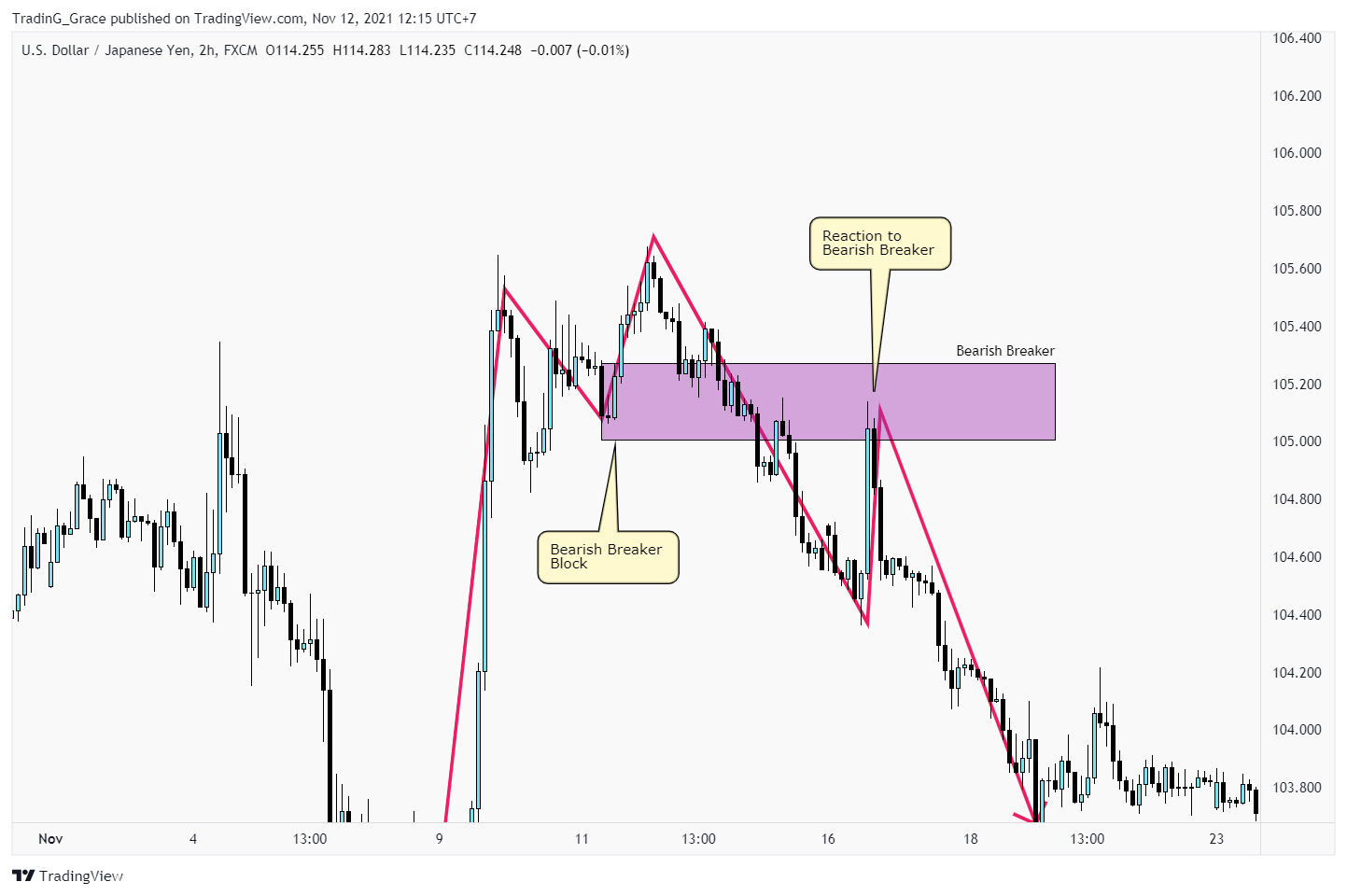
Let's get concrete. These are the backtesting behaviors that feel productive but systematically train the wrong thing.
Backtesting at zero spread. Most retail platforms let you replay with no spread applied, or a fixed 0-pip spread. Real EURUSD at the London open can carry a 1.5 to 2.5 pip spread during volatile moments. On a 10-pip stop, that spread is not a rounding error, it is a meaningful percentage of your risk. Worse, it can trigger your stop on an entry that your backtest shows as clean. When you have never trained with realistic spread friction, you build setups around price levels that assume a precision the market doesn't actually offer.
Backtesting without a drawdown counter running. When you are clicking through historical bars with no real stakes, you can take 10 losses in a row and feel nothing. You just note it, adjust, and carry on. Now put yourself inside an FTMO challenge with a 10% max drawdown rule and a daily loss limit sitting at minus 4%. Suddenly that string of losses is not a statistic, it is an existential threat to your account. The physiological response is real and it changes how you execute. No amount of passive replay trains you to manage that. If you want a clearer picture of how quickly those limits can catch traders off guard, the breakdown in this piece on FTMO daily loss limits is worth reading before you start a challenge.
Cherry-picking clean structures. In the sim, you have control over which sessions you review. Most traders, without realizing it, spend disproportionate time on the clean trending days, the sessions where the New York open came in and drove straight into a premium array before reversing cleanly. Those days feel great to backtest. They are also not representative of what most trading days look like. The choppy, overlapping, structurally ambiguous sessions get skipped because they are frustrating and don't generate useful log entries. The problem is that live trading does not let you skip those days.
Skipping the entry decision point. Here is the one I see most often and it is the subtlest. In replay, you can pause at the entry candle, zoom in, check the M1 for a confirmation wick, check the M5 for the FVG fill, and take your time. In live conditions, the M1 candle is still moving. The spread is widening at the open. Your heart rate is up. The pause you took in replay to examine confluence does not exist. You are making a real-time decision, and if you have never deliberately practiced making that decision under time pressure, your backtest performance is measuring a completely different cognitive process than what live trading requires.
This connects to something I wrote about separately regarding FVGs specifically: why your FVGs work in backtests but not live. The structural gap between what you see on a closed candle versus a live one is even more pronounced with FVGs than almost any other ICT concept.
A Practical Illustration: EURUSD, London Open
Here is the kind of setup I mean, so this isn't abstract.
Picture EURUSD on the M15 chart. London open is approaching. Price has swept yesterday's Asian session low, taking out buy-side liquidity in the process. On the H1, you can see a clear change of character to the upside: higher high, higher low, structure shifting bullish. Price has returned into a bullish order block sitting around the equilibrium of the prior swing, between the 0.5 and 0.618 of the Fibonacci retracement. There is an unfilled FVG on the M5 that aligns with the upper half of that order block.
In the backtest, you see all of this at once. The entry is at the FVG midpoint, stop sits just below the order block's low with a few pips of buffer for spread, and the target is the previous session high where sell-side liquidity rests. Clean setup. Three-to-one reward on paper.
Now run that same setup live. The candle that is supposed to fill the FVG is still forming. You don't know yet if price will wick through the FVG and reverse, or if it will close below it and invalidate the entry. The London session is in its first 20 minutes and spread is elevated. Your funded account is sitting at minus 1.8% from two earlier trades this week. Do you take the entry on the touch, or do you wait for the M5 candle to close? That decision, made in real time under those conditions, is the actual skill. And the only thing your backtest practiced was recognizing the setup after the fact.
The Archetype I Keep Seeing in the Wild
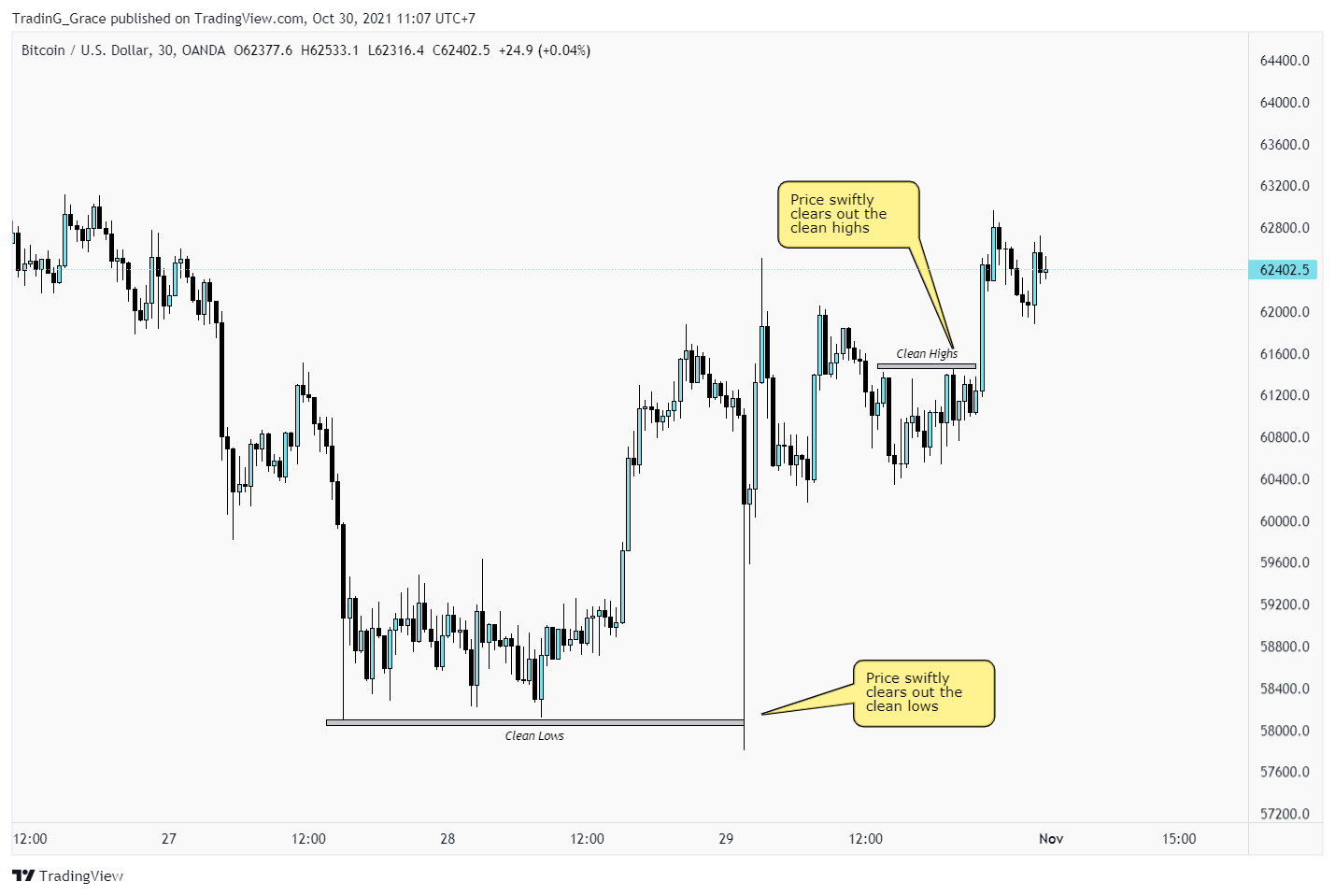
There is a specific trader type that this article is really about. They have a thick trading journal, hundreds of backtested setups logged, a refined set of rules, and a strong theoretical command of ICT concepts. They can explain market structure, premium and discount, liquidity pools, and session timing clearly and correctly. In backtesting, their model works. In live conditions, they freeze, over-manage, or revenge trade after a loss that would have been unremarkable in the sim.
The pattern is almost always this: they rehearsed certainty for months. Every replay session was curated toward clean, recognizable setups. Every log entry reinforced the idea that the model is sound. Then live markets introduce ambiguity at exactly the moment where a decision must be made, and they have no practiced response to that ambiguity. They either freeze and miss the setup, or they force the trade because "the model said so" even when the context has shifted.
This is not a discipline problem. It is a training design problem. And it will not fix itself through more of the same backtesting. If you want to understand why adding more process on top of a broken one doesn't work, this piece on why coaching won't fix a process problem goes deeper on that dynamic.
A Framework for Closing the Gap: The Deliberate Ambiguity Protocol
This is what I would change in your practice sessions starting this week.
Step 1: Backtest with realistic spread applied. Set your replay to use the actual spread your broker charges at session open. If your platform doesn't support variable spread replay, add the average spread manually to your entry and exit prices when logging results. This single change will eliminate a category of setups that only exist in zero-friction conditions.
Step 2: Set a hard time limit at the decision point. When you reach the entry candle in replay, give yourself 60 seconds maximum to decide: take it, skip it, or define exactly what confirmation you need and at what price. No pausing, no zooming in for 10 minutes. This trains the actual cognitive pressure of real-time decision-making. Log your reasoning before you advance the chart.
Step 3: Run deliberate losing streaks. Take your last 50 backtested trades and identify the 10 worst. Run those 10 in sequence, in replay, with a simulated drawdown counter visible. Make yourself feel what minus 3% looks like on screen while making the next entry decision. This is the emotional rehearsal that passive backtesting skips entirely. It is also the rehearsal that matters most inside a funded account structure.
Step 4: Backtest the ugly sessions, not just the clean ones. Deliberately target the choppy, ranging, structurally ambiguous days in your replay. Your skip rate on those sessions is a data point. If you are avoiding them, your model has not actually been tested on the full range of market conditions you will encounter live. Use your risk calculator to size positions accurately within those sessions and practice the full decision loop, including the moments where the right call is to stand aside.
For traders who want to pressure-test this framework with another set of eyes, the coaching plans at R2F cover exactly this kind of process audit, or you can book a free discovery call to talk through where your specific backtest-to-live gap is showing up.
What This Actually Requires
Fixing ICT trading backtesting is not about logging more trades or spending more hours in replay. It requires deliberately introducing the elements that replay removes: spread friction, time pressure, financial stakes, and ambiguity at the decision point. Most traders resist this because uncomfortable practice sessions feel less productive than clean replay sessions. But that discomfort is the signal. It means you are training the actual skill.
The traders who close the sim-to-live gap are not the ones who backtested harder. They are the ones who stopped rehearsing certainty and started practicing decisions. That shift is available to you this week. It starts with making your next replay session deliberately harder, not cleaner.
For more on building the kind of process that actually survives contact with live conditions, browse the full trading insights archive at R2F.
External reference: TradingView's replay tool documentation covers how to configure spread settings and session-specific replay, which is worth reviewing before your next practice session.
Harvest Wright
ICT Trading Coach · 10+ Years Experience
Harvest specializes in ICT methodology and has helped traders pass prop firm challenges, develop consistent strategies, and build the psychology needed for long-term profitability.
Book a Free Discovery Call →Ready to Get Funded?
1-on-1 ICT coaching built around prop firm rules, from a trader who has passed an FTMO Challenge.
Book a Free Discovery CallFree ICT Funded-Trader Playbook
The setups, the pre-trade checklist, and the risk rules I use. Get it free.