My $47K Prop Firm Loss: Rebuilding My Strategy
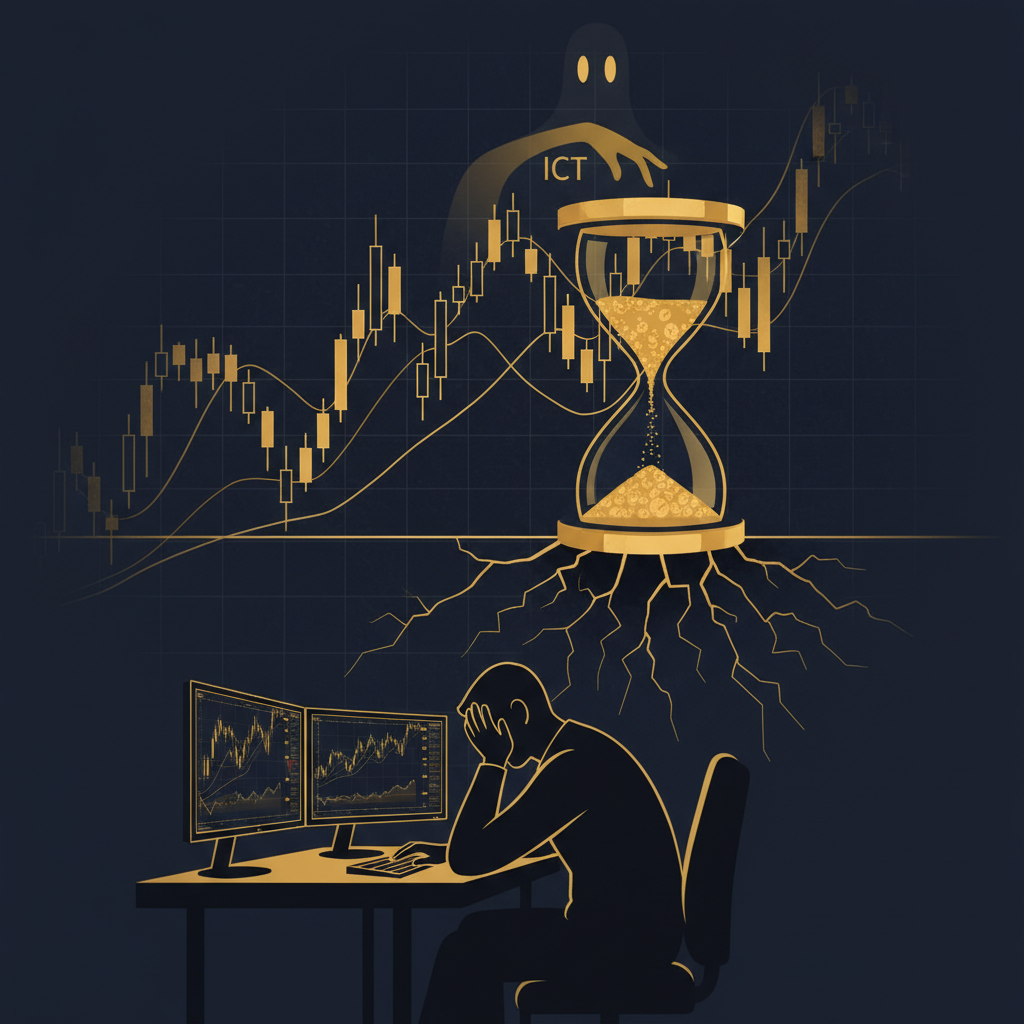
I stared at my trading screen in complete disbelief. Three prop firm accounts blown. $47,000 in simulated capital gone. My supposedly "bulletproof" ICT strategy had just delivered the most devastating prop firm drawdown recovery ICT lesson of my 10+ year trading career.
This happened in late 2023, right when I thought I had everything figured out. I'd passed multiple FTMO challenges, won TradingView competitions, and was teaching other traders. But the market humbled me in ways I never expected.
If you're facing your own prop firm disaster right now, this story is for you. Because what happened next changed everything about how I approach funded trading.
Key Takeaway: Even a decade of experience and a proven track record cannot protect you from catastrophic drawdown if you stop stress-testing your strategy against changing market conditions, regularly audit your edge as if you were a beginner encountering it for the first time.
How My Prop Firm Drawdown Recovery ICT Journey Started
The worst part wasn't losing the money, it was losing my identity as a "successful trader." I'd built my reputation on consistent ICT execution, but suddenly every order block was failing, every fair value gap (FVG) was getting invalidated, and my liquidity reads were completely wrong.
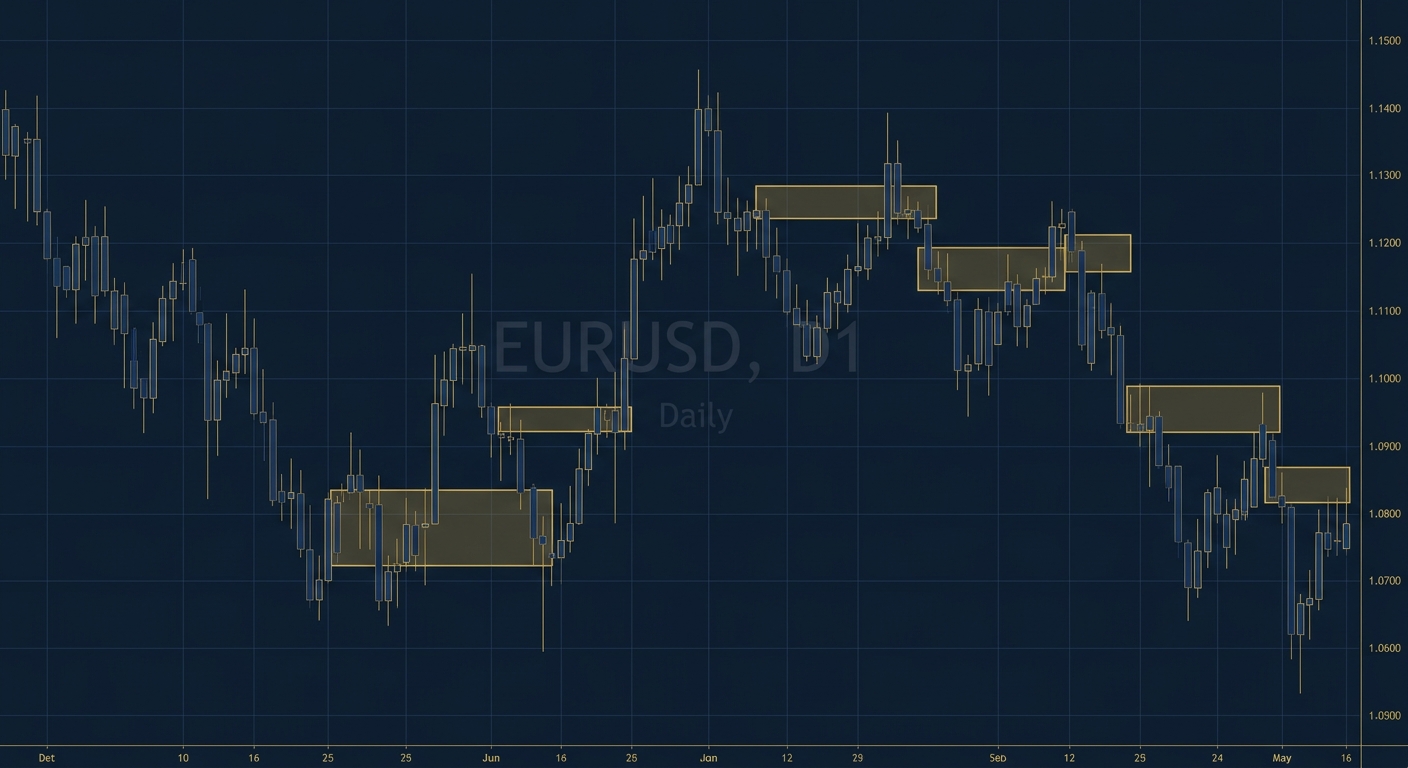
Here's exactly what went wrong:
- Overconfidence in backtested setups that hadn't adapted to changing market structure
- Ignoring risk management because I was "too experienced" to blow accounts
- Trading through high-impact news without adjusting position sizes
- Chasing losses instead of stepping back to reassess
The breaking point came when I took a 4% risk on what seemed like a "perfect" premium to discount move on GBPUSD. The trade went against me so fast I couldn't even process what was happening. That single trade wiped out three weeks of careful gains.
What Actually Caused My $47K Prop Firm Catastrophe
Looking back, my failure wasn't about ICT concepts being wrong. The problem was my application of them during a period when market structure was fundamentally shifting.
I was still trading 2022 market conditions in a 2023 environment. Killzones that used to be reliable were producing false signals. Optimal Trade Entry (OTE) levels were getting blown through like they didn't exist.
The CME Group's volatility data from that period confirms what I was experiencing, traditional support and resistance levels were failing at unprecedented rates.
The Painful Process of Rebuilding My ICT Strategy
After the initial shock wore off, I had a choice: quit trading or completely rebuild my approach. I chose the harder path.
Step 1: Brutal Honesty About What Went Wrong
I spent two weeks reviewing every single failed trade. Not just the losses, every trade that should have worked but didn't. The pattern became clear: I was fighting the current market structure instead of adapting to it.
Step 2: Back to ICT Fundamentals
I stripped my strategy down to the absolute basics:
- Daily bias based on premium/discount only
- Single timeframe focus (15-minute charts)
- Maximum 1% risk per trade, no exceptions
- No trading during high-impact news until I rebuilt confidence
Step 3: Paper Trading Like a Beginner
This was the hardest part for my ego. After 10+ years of live trading, I went back to demo accounts for three months. But this time, I wasn't learning ICT concepts, I was learning how they applied to current market conditions.
The Breakthrough That Changed Everything
The turning point came when I stopped trying to predict where price would go and started focusing on where liquidity was likely to be taken. This shift in perspective transformed my order block identification and FVG trading.
Instead of looking for "perfect" setups, I started looking for high-probability liquidity sweeps followed by institutional moves in the opposite direction. This approach aligned much better with how markets were actually moving.
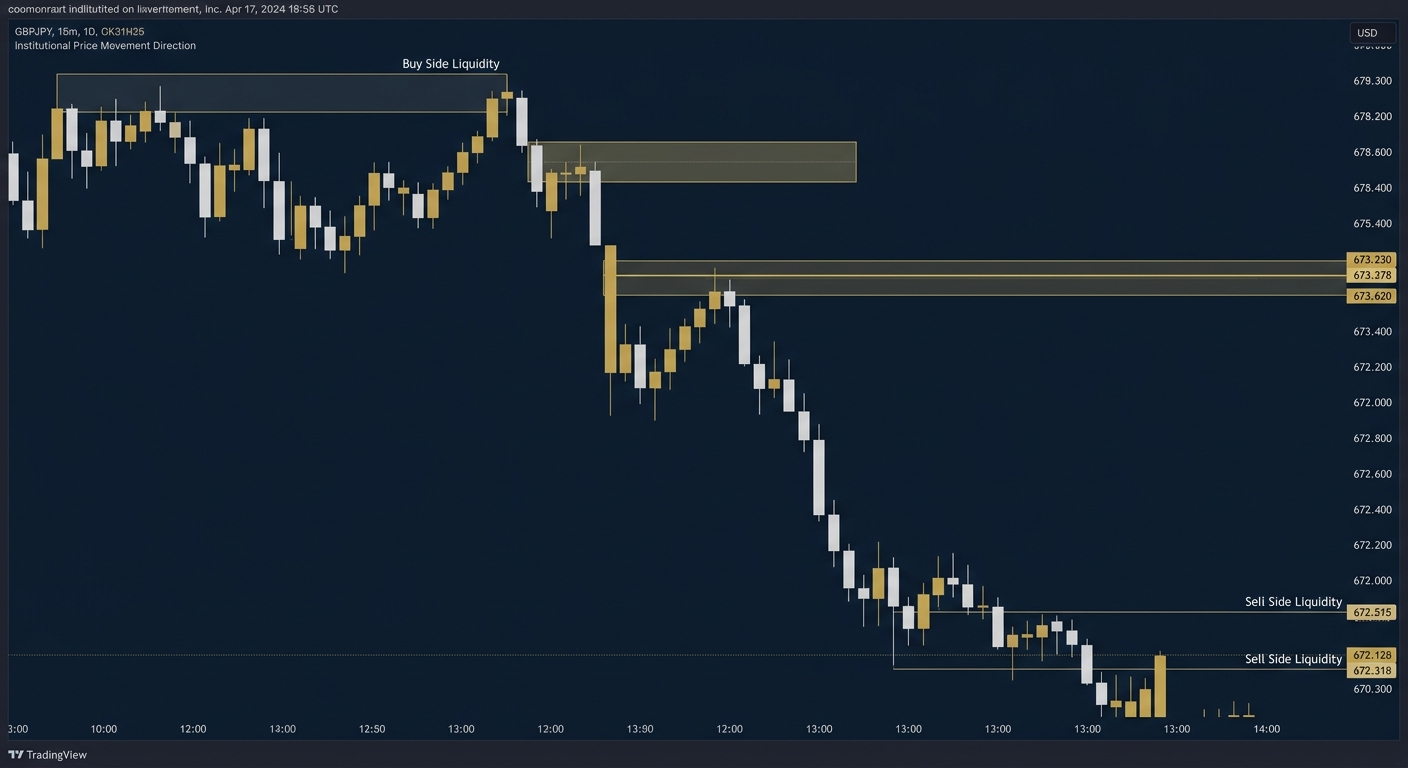
Key Insight: The ICT concepts hadn't failed, my timing and market structure reading had become outdated. Once I updated my approach to current conditions, the same concepts started working again.
What My Prop Firm Recovery Actually Looked Like
Rebuilding wasn't linear. I had good weeks followed by frustrating setbacks. But gradually, the consistency returned:
Month 1: Break-even trading with much better risk management
Month 2: Small consistent gains, rebuilding confidence
Month 3: First profitable month since the disaster
Month 4: Passed new FTMO challenge with updated strategy
Month 6: Back to previous profit levels with much lower stress
The most important change wasn't technical, it was psychological. I developed what I call "adaptive confidence": strong belief in ICT principles combined with humility about market conditions.
How I Handle Drawdowns Differently Now
My approach to prop firm drawdown recovery is completely different now:
- Immediate position size reduction at first sign of trouble
- Daily strategy review instead of weekly
- Market structure assessment before every trading session
- Predetermined break points where I step away completely
FAQ: What Should You Do If You're Facing a Prop Firm Drawdown?
Should I immediately reduce my position size during a drawdown?
Absolutely. This was my biggest mistake, trying to "trade my way out" with the same position sizes. Cut your risk in half immediately and focus on rebuilding confidence with smaller positions.
How long should I expect prop firm recovery to take?
In my experience, true recovery takes 3-6 months of consistent application. Don't rush it. The market will still be there when you're ready.
Can ICT strategies still work in current market conditions?
Yes, but they need to be adapted. The core concepts are timeless, but their application must evolve with changing market structure. My recent analysis of April's ranging markets shows exactly how to make these adjustments.
The Lessons That Made Me a Better Trader
Losing $47K in prop firm capital was devastating, but it taught me things that years of profitable trading couldn't:
Humility: No matter how experienced you are, the market can humble you instantly
Adaptability: Your strategy must evolve with market conditions
Risk Management: It's not optional, even when you're "certain" about a trade
Psychology: Your mindset during drawdowns determines your long-term success
The irony is that I'm now a better trader than I was before the disaster. My prop firm drawdown recovery ICT experience forced me to develop skills I didn't even know I was missing.
Your Next Steps After a Trading Disaster
If you're currently facing your own prop firm drawdown, here's what I wish someone had told me:
Stop trading immediately until you understand what went wrong. More trading won't fix a broken strategy.
Get objective feedback on your approach. Sometimes we're too close to see our own mistakes. This is where structured coaching plans can be invaluable, having someone else review your trades objectively.
Accept that recovery takes time. There's no shortcut back to profitability. Focus on process, not profits.
If you're ready to rebuild your trading approach the right way, book a free discovery call to discuss how my experience recovering from major drawdowns can help guide your comeback.
Remember: every successful trader has faced major losses. What separates long-term winners from those who quit is how they respond to those setbacks. Your comeback story starts with the decision to keep going, smarter than before.
The $47K loss was expensive tuition, but it was worth every penny for the trader it made me become. Your current struggle might be the foundation of your future success.
Harvest Wright
ICT Trading Coach · 10+ Years Experience
Harvest specializes in ICT methodology and has helped traders pass prop firm challenges, develop consistent strategies, and build the psychology needed for long-term profitability.
Book a Free Discovery Call →Ready to Get Funded?
Our students pass prop firm challenges in under 60 days with personalized ICT coaching.
Book a Free Discovery CallFree ICT Funded-Trader Playbook
The setups, the pre-trade checklist, and the risk rules I use. Get it free.