
What to Ask a Trading Coach Before You Pay
Most traders get burned by a bad coach not because they failed to do research, but because they researched the wrong things. They check testimonials, scroll through highlight reels, count Discord members. None of that tells you whether the person sitting across from you on a Zoom call actually knows how to teach trading.
Knowing the right questions to ask a trading coach before you pay is the fastest filter I know. Four specific questions. One conversation. You will know everything you need to know.
Key Takeaway: Before paying any trading coach, ask these four questions in your first call: Can I watch you trade live? What did your worst month look like? What actually happens in a session? And how many people stop showing up after the first few weeks? Good coaches answer all four without hesitating. Bad ones deflect, reframe, or go quiet.
Question 1: Can I Watch You Trade Live?
This is the question most people are too polite to ask. Do not be too polite.
A coach who genuinely trades will not flinch at this. They might say they stream on TradingView, that they share live calls inside their community, or that they walk through real-time analysis during sessions. They might even say they do not broadcast every trade live because execution is fast and teaching simultaneously creates mistakes, that is a reasonable answer, as long as they follow it with proof of actual trading activity.
What you are listening for is comfort. Do they answer without hesitation? Do they point you somewhere concrete?
The deflection version sounds like: "I focus on teaching, not performing" or "My methodology speaks for itself." Translation: there may not be active trading happening. Teaching a methodology you no longer use personally is like a personal trainer who stopped working out a decade ago. The knowledge might still be technically accurate, but the feel for current market conditions evaporates fast.
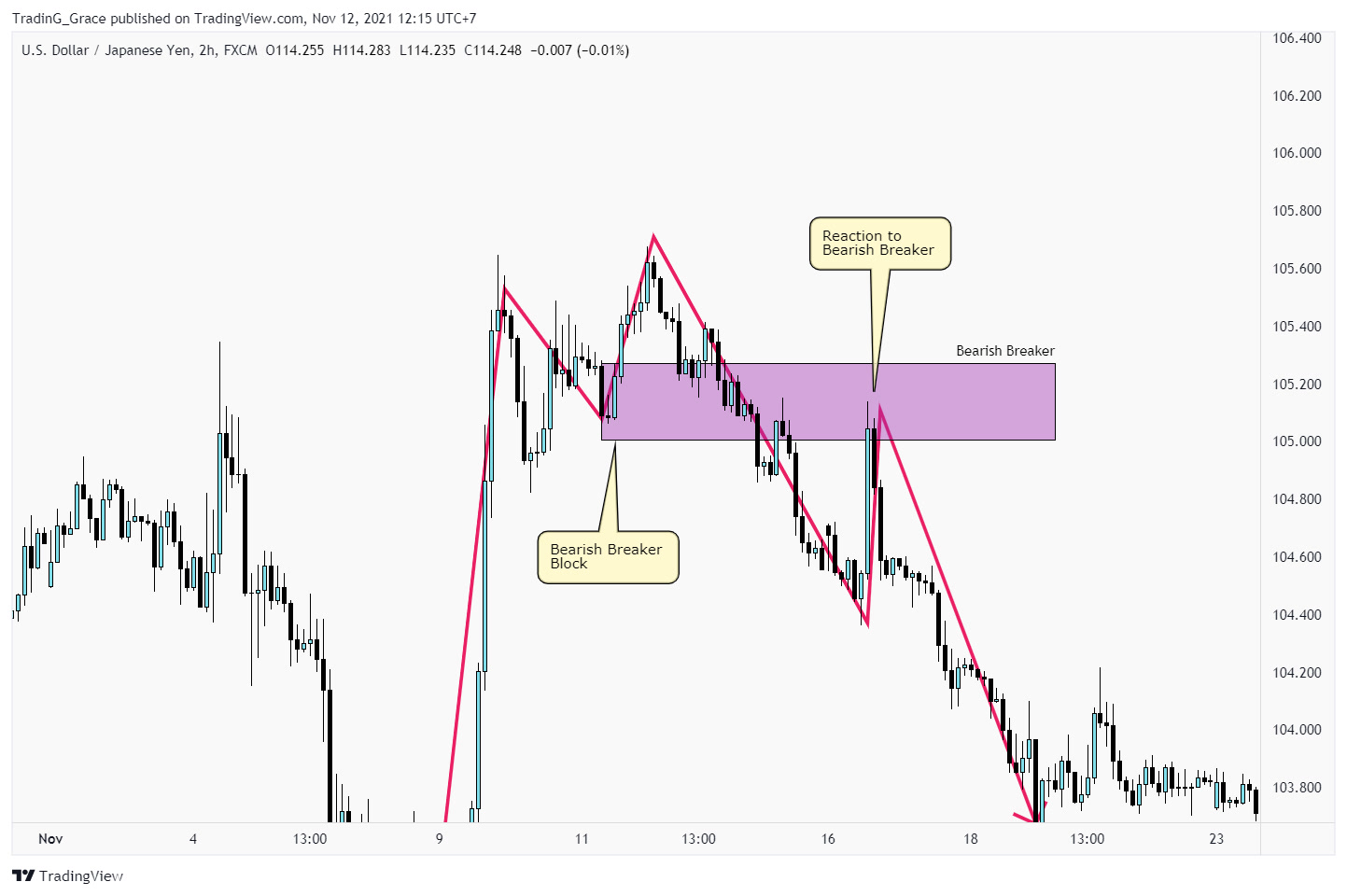
For context, here's the kind of detail an active trader talks about. Picture GBPUSD on the 15-minute chart: price sweeps a clean equal low during the 8:30 AM EST macro window, forms a three-candle FVG on the displacement leg, then returns to the gap. The entry is in the gap, the stop goes below the swept low (if price takes it again, the idea is wrong), and the target is the weekly SIBI overhead. A coach who is actively trading will be talking about sequences like that. A coach who is not will be talking in abstractions.
If they cannot point you to any live evidence, that is your first flag.
Question 2: What Did Your Worst Month Look Like?
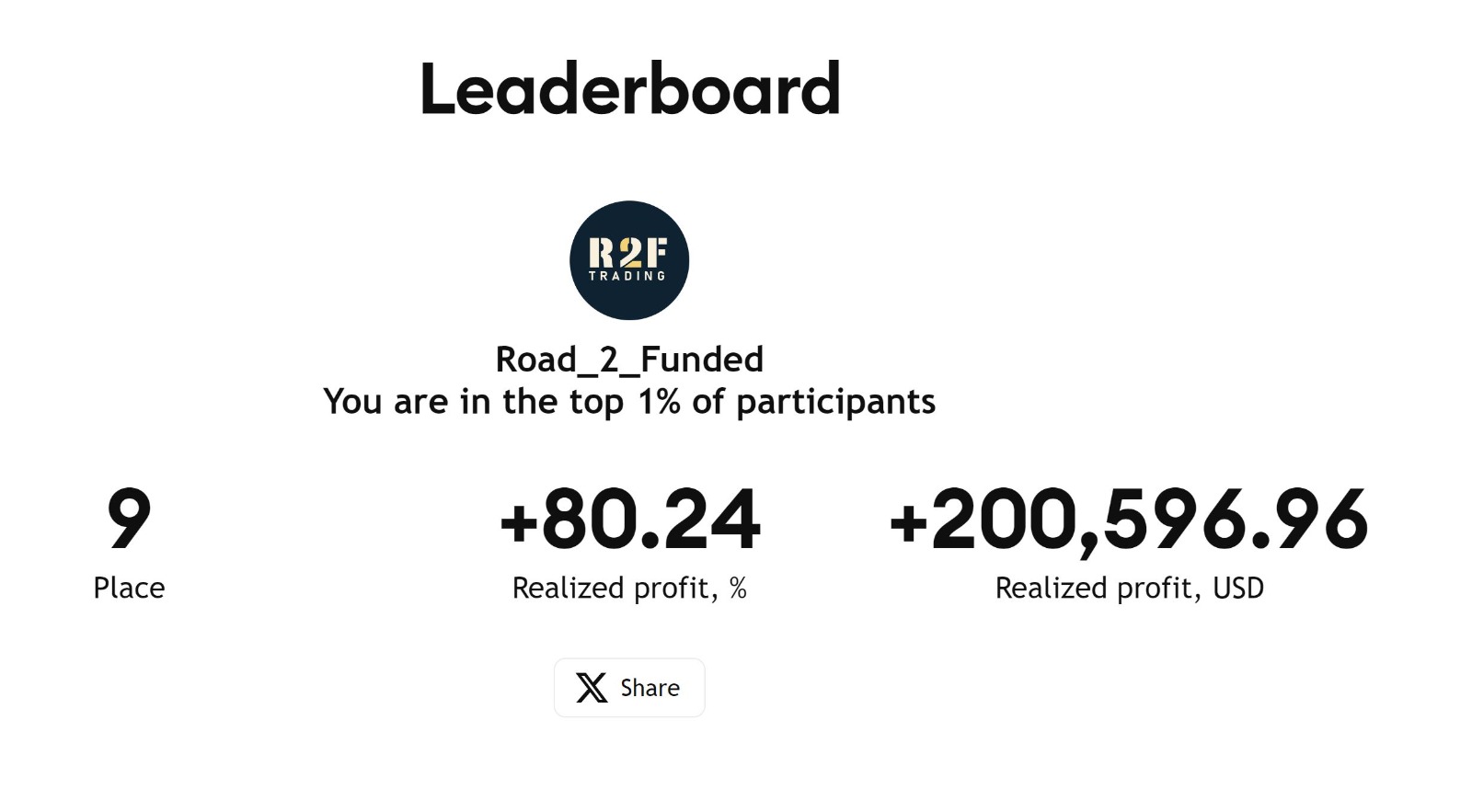
This is the question that separates coaches from marketers.
Every highlight reel looks the same. Green trades, percentage gains, account equity curves that only go up. None of that is real. Every trader who has been in this market for any meaningful length of time has a month, or several months, that they would rather not show anyone. The willingness to describe that period honestly is the single best signal of integrity I have found.
A good answer is specific. It names a timeframe, a market condition, a number. Something like: "February of last year I had a 14% drawdown on my primary account. I was overtrading during a compression period in the dollar index and ignored the higher-timeframe bias three sessions in a row." That answer tells you the coach understands their own psychology, has done the post-trade analysis, and is not hiding the reality of trading behind a personal brand.
A coach who has never had to explain a rough stretch to themselves cannot help you survive yours.
The vague answer sounds like: "Every trader has tough periods" or "The market has its seasons." That is not a bad month. That is a platitude. Push gently: ask what percentage, what month, what caused it. Watch how they respond to being specific. Discomfort with specificity is a pattern that will show up again during actual coaching.
Here is the contrarian take most people miss: a coach with a flawless-looking record should make you more skeptical, not less. Real trading creates rough patches. If someone's public record shows nothing but green, either they are cherry-picking what they show you, they are not trading meaningful size, or they are new enough that a real drawdown just has not arrived yet. Ten years in this market has taught me that the coaches worth paying have visible scar tissue.
Question 3: What Actually Happens During a Session?
Vague coaching is expensive wasted time. You need to know exactly what you are buying.
A good answer describes a structure. Not "we go over your trades" but something like: we spend the first fifteen minutes on the higher-timeframe bias for the week, then walk through any live setups forming on the 1-hour or 15-minute charts, then review your trade journal from the prior week with specific annotated feedback. That is a session. You can picture it. You know what you are walking into.
Here is a practical framework for evaluating any answer to this question. Listen for three components:
1. Input before output. Does the coach start with market context before looking at your trades? A coach who jumps straight to critiquing your entries without establishing the macro picture is teaching tactics without strategy.
2. Trade-journal integration. Is there a systematic review of your decision log, not just your P&L? Anyone can tell you a trade was wrong. A coach worth paying tells you at which decision point the logic broke down and why.
3. Forward application. Do sessions end with something actionable for the next week? Even something as tight as: this week, only take setups on the 15-minute chart where there is a confirmed FVG inside a discount array, with a stop no wider than 15 pips on majors, risking no more than 0.75% per trade. Use the risk calculator here to size every position before entry, not after. That is forward application. "Keep working on your mindset" is not.
That's the structure I aim for in our coaching sessions: context first, review second, forward framework third. If a coach cannot describe that architecture clearly on a free call, the paid sessions will feel shapeless.
Question 4: How Many People Stop Showing Up?
This one catches coaches off-guard, and the reaction is informative.
Every group coaching program has a dropout rate. Every one. If a coach tells you retention is perfect or that everyone completes the program, they are either lying or have so few participants that the sample size is meaningless. What you want to hear is an honest number, followed by an honest explanation of why people leave.
Good answers sound like: "A fair number of people drop off in the first couple of months. Usually it is traders who were not ready to do the journal work between sessions, or who expected faster results than this process produces." That answer is honest, it identifies a real pattern, and it subtly tells you what the program actually demands.
The pattern I see most often in people who stop showing up is not lack of motivation. It is mismatched expectations about what coaching is. The trader who ghosts after three sessions often came in believing the coach would hand them a system that worked immediately. What actually happens in good coaching is slower: you spend weeks identifying the specific flaw in your decision-making, then weeks building a counter-habit, then weeks watching the market test that new habit under pressure. A lot of ICT traders who stall out on order block setups, for instance, are not making a mistake at the entry. The mistake is upstream, in how they are identifying the discount zone. That takes time to untangle and fix.
For a deeper look at that particular pattern, this breakdown of why ICT order blocks keep failing in ranging markets covers the three-step fix in detail.
If a coach cannot tell you why their program has attrition, they have not thought carefully about what they are building. That is a problem that will eventually affect your experience inside it.
What to Do With the Answers
Bring these four questions to any free discovery call with any coach, including with us. Write them down. Bring them into the conversation like a prepared buyer, because that is what you are.
Score the answers against two criteria: specificity and comfort. Specific, comfortable answers are good. Vague answers that deflect are bad. Specific answers delivered defensively are worth investigating further.
One thing I used to get wrong early on: I thought a great coach needed to trade exactly my timeframe and my pairs. It helped, but it was not the critical variable. The critical variable was whether they could identify the error in my thinking before I could. That takes experience with a methodology, not just experience with a ticker.
For more on what separates traders who build funded accounts from those who burn through challenges, the 7 fatal mistakes that kill funded account challenge success post covers the patterns that good coaching should be actively working to interrupt.
The right coach for you is the one who answers all four questions without needing to impress you. Confidence without performance is the clearest signal in any room.
If you want to see how we structure coaching at R2F, the plans page breaks down exactly what Lite, Pro, and Full Mentorship include, and what each tier is designed to solve.
Posted August 12, 2026 by R2F Trading
Harvest Wright
ICT Trading Coach · 10+ Years Experience
Harvest specializes in ICT methodology and has helped traders pass prop firm challenges, develop consistent strategies, and build the psychology needed for long-term profitability.
Book a Free Discovery Call →Ready to Get Funded?
Our students pass prop firm challenges in under 60 days with personalized ICT coaching.
Book a Free Discovery CallFree ICT Funded-Trader Playbook
The setups, the pre-trade checklist, and the risk rules I use. Get it free.